· 6 min read
The M&E track: what it is and where to get one when you were not given it
What an M&E track is in dubbing, what goes into it, why studios often do not get one, and how to make it from the finished film mix without damaging music and effects.
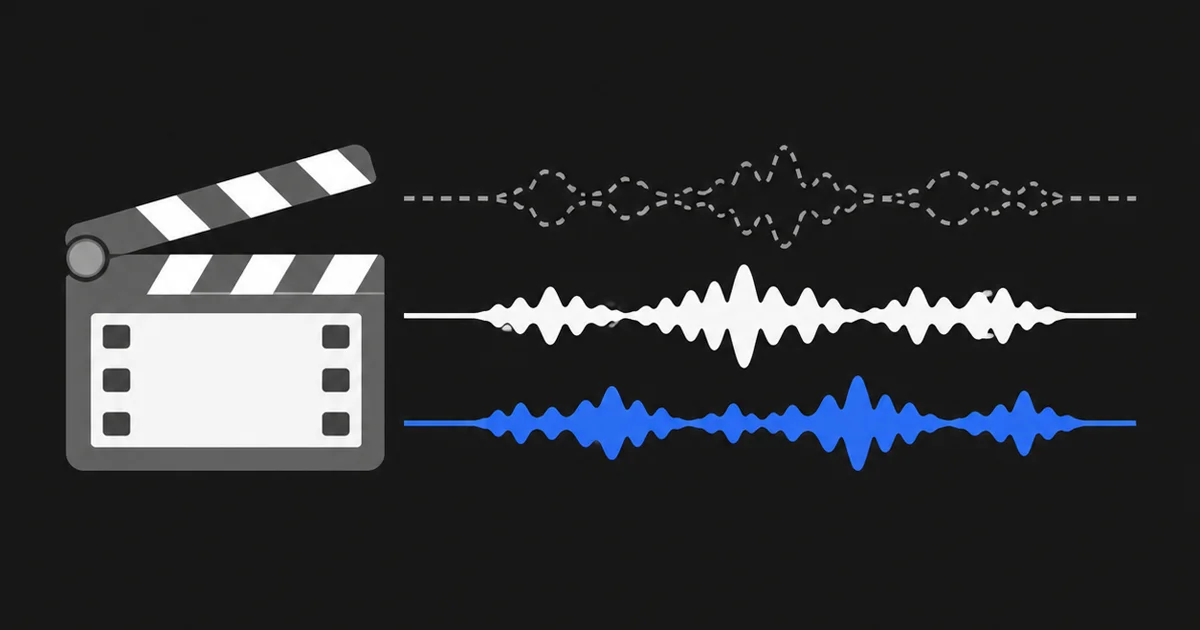
A studio receives a film for dubbing, opens the delivery package and finds only the final mix, where the actors’ voices are mixed with the music and effects. Without a separate music and effects track there is nothing to lay the new voices over. This article explains what an M&E track is, why it is so often missing and how a studio can get one on its own.
What an M&E track is
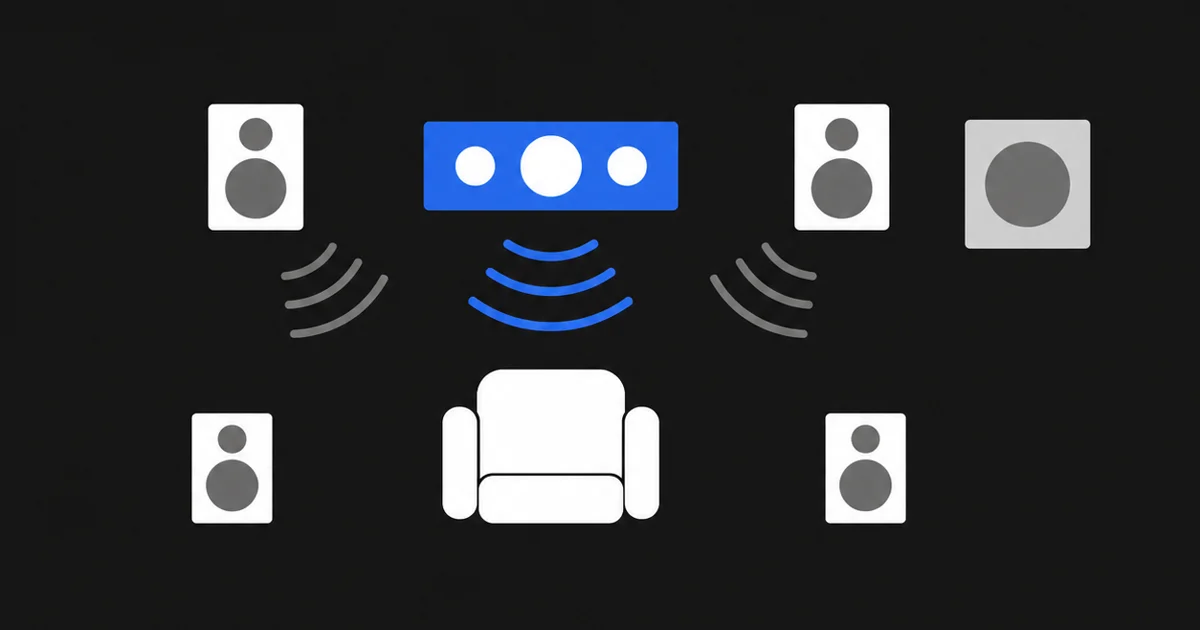
M&E (Music and Effects) is the sound of a film without dialogue. It holds everything the viewer hears except speech: music, noises, sound effects, the background of a street or a room, footsteps, breathing, hits. In dubbing, the studio lays this track under the voices of its own actors, and the film sounds as if it had been shot that way.
The M&E is usually prepared at the mixing stage, together with the final sound. The rights holder delivers it to studios along with the video, in stereo or 5.1, sometimes together with separate stems: dialogue, music and effects, each on its own.
A good M&E also restores the sounds that were recorded on set together with the lines: rustling clothes, footsteps, a cup being put down. If you simply turn off the dialogue, these sounds disappear with it, so in production they are recorded again. Such a track is called a full M&E.
Why the M&E track is often missing
In practice, dubbing studios do not always receive an M&E. Common reasons:
- Old films and series. The track was not kept or was never made.
- Small productions. Independent films, anime from small studios and web series often have no international version of the sound.
- Rights holder terms. The M&E costs extra, comes with a long delay or goes only to large partners.
- The source of the material. The studio receives a video that has only the mixed sound.
In the end the studio has the film, a deadline and a sound where the original voices are locked together with everything else.
What studios do without an M&E
- Ask the rights holder for the track. This is the best option when it is possible. Ask about stems too: a separate dialogue track is also useful for reference.
- Voiceover instead of dubbing. The original is lowered and the translation plays on top. This is a different format: the viewer still hears the original voices.
- Remove the center channel of the 5.1 mix. It looks like a quick fix, but speech stays in the other channels, and effects and part of the music disappear together with the center. More on this in the article why muting the center channel of a 5.1 mix does not remove the dialogue.
- Manual restoration. A sound engineer cuts out the lines and rebuilds the background under them. The result can be excellent, but a feature film takes days of work.
- Neural network separation. A model trained on film sound splits the final mix into speech, music and effects. This takes minutes or hours rather than days, but the quality depends on the model and on the scene.
How to get an M&E from the final mix
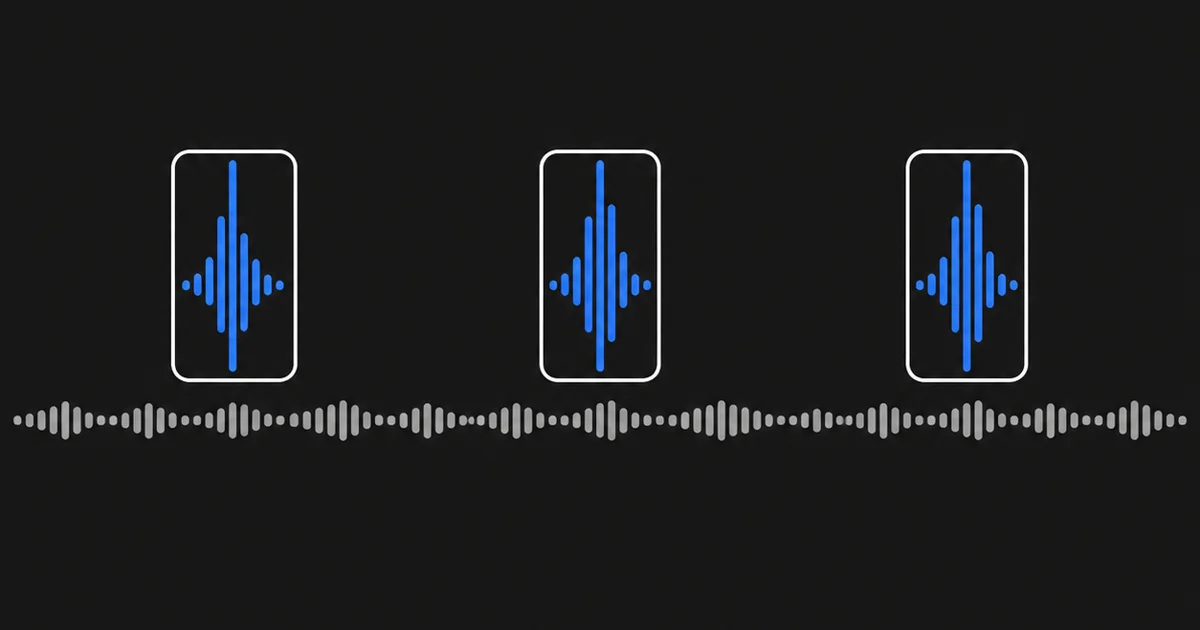
Modern sound separation models are trained on thousands of hours of audio where the speech, music and effects are known separately. The model learns to find each part in the mix. The output is three tracks: voice, music and effects. Music and effects together are the no voice track, that is, the M&E.
For the result to be usable in dubbing, a few things matter:
- Channel layout. If the source is 5.1, the no voice track must also be 5.1, with the same sample rate and bit depth. Otherwise it has to be rebuilt during the mix.
- A model for film, not for songs. Many well known separation models were made for music: they separate vocals from instruments. A film needs a model that tells speech, music and sound effects apart.
- Shouts and loud speech. Even good models miss some shouts, whispers and lines over music. How to deal with this is covered in the article why shouts survive voice separation and how to remove them.
The whole process is described step by step in the article how to remove the original voices from a film for dubbing.
What to check in the finished track
Listen to a no voice track made by separation before the mix. Pay attention to:
- Scenes with shouting, fights and crowds. This is where traces of the original voices remain most often.
- Songs. The neural network may take singing for speech and remove it. Opening titles and songs inside an episode are better protected: DubStem has a “Do not touch ranges” (Не трогать отрезки) field for this, where you enter the time of the song, and in those places the no voice track stays an exact copy of the source.
- Sounds inside lines. Footsteps, breathing and rustling that played at the same time as the speech may get weaker together with the voice. Sometimes it is easier to add them by hand.
- Sync and length. The track must match the length of the source exactly, otherwise the dub will drift away from the picture.
- Level. After separation, the sound may go over the limit of the file in some places. A good program does not clip these peaks but gently lowers the level around them.
How DubStem does it
DubStem was made for exactly this task. The program splits the sound of a film or an episode into four files: no voice, voice, music and effects. The 5.1 layout and the format of the source are kept. Using the subtitles or speech recognition, the program finds every line and makes a second pass over it to remove what is left of shouts and loud speech. Processing runs on the studio’s computer, and the files are not sent anywhere.
The steps are described on the page how DubStem works, and you can hear the result on the home page, where our track plays next to the official track without dialogue from the open film Tears of Steel.
We show the program on a call and open 7 days of full access